
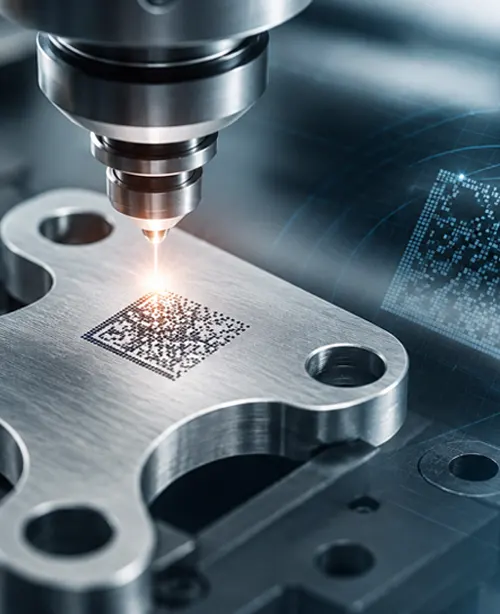
DPM Marking as a Key Technology in Modern Manufacturing
DPM marking has become an indispensable technology for industrial manufacturing processes.
What is DPM Marking?
DPM (Direct Part Marking) refers to the direct and permanent marking of a component, workpiece, or product. Unlike labels, stickers, or tags, the marking is applied directly to the surface of the item itself. As a result, the mark remains readable even under demanding environmental conditions and enables reliable identification throughout the entire product lifecycle.
In modern manufacturing environments, DPM marking is becoming increasingly important. Industries such as automotive, aerospace, medical technology, electronics manufacturing, metal processing, and mechanical engineering rely on Direct Part Marking to ensure complete traceability and meet the highest quality standards.
By marking components directly, production data, serial numbers, batch numbers, manufacturing information, and unique identification codes can be permanently stored and automatically retrieved at any time.
Why Is DPM Marking So Important?
Requirements for transparency, quality assurance, and traceability continue to increase across modern manufacturing industries. Companies must be able to document precisely when a component was produced, which materials were used, and which production processes it underwent.
Professional DPM marking provides the foundation for this level of traceability. If a quality issue occurs at a later stage, affected batches can be identified quickly and accurately. At the same time, production processes can be optimized and potential sources of error can be analyzed more effectively.
Particularly in safety-critical industries such as aerospace and medical technology, permanent part marking is often mandatory. Industry regulations and quality standards require the unique identification of every individual product.
How Direct Part Marking Works
With Direct Part Marking, information is applied directly to the surface of a component. Various marking technologies can be used depending on the material, readability requirements, and environmental conditions.
The marking is subsequently captured using camera systems, barcode scanners, or DataMatrix readers and integrated into production databases, MES platforms, or ERP systems.
Today, 2D codes such as the DataMatrix code are particularly widespread. They allow large amounts of information to be stored in a very small space while maintaining excellent readability and reliability.
DPM Marking with DataMatrix Codes
The DataMatrix code has become the industry standard for DPM marking. These two-dimensional codes require minimal space while being capable of storing extensive information. Thanks to modern machine vision systems, even very small DataMatrix codes on complex component geometries can be read reliably.
A DataMatrix code can store information such as:
- Serial numbers
- Batch numbers
- Production data
- Part numbers
- Manufacturer information
- Traceability data
- Quality records
- Inspection data
DPM Marking Technologies
Laser Marking
Laser marking is one of the most important technologies used in Direct Part Marking. High-precision laser systems create permanent marks directly on the material surface. Depending on the material, different effects can be achieved, including engraving, annealing, color change, foaming, or coating removal.
Laser markings are known for their exceptional precision, speed, and durability. They are suitable for metals, plastics, ceramics, and many other materials.
Dot Peen Marking
In dot peen marking, a carbide stylus creates individual dots on the material surface. By combining these dots, text, logos, or DataMatrix codes can be produced.
This technology is particularly common for metallic materials and is valued for its excellent resistance to abrasion, heat, and chemical exposure.
Scribe Marking
Scribe marking creates a continuous line by engraving directly into the material surface. The process is especially suitable for components that require maximum readability and long-term durability.
Inkjet Marking
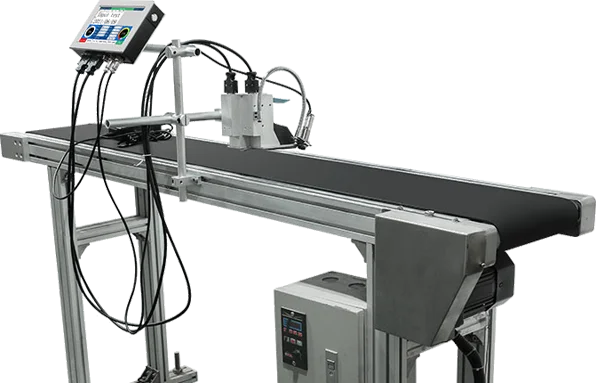
Industrial inkjet systems can also be used for specific DPM applications. Modern Continuous Inkjet (CIJ) and Thermal Inkjet (TIJ) printers enable product marking directly within automated production lines.
Inkjet systems are particularly common for packaging, plastic components, and electronic assemblies.
Materials Suitable for DPM Marking
Direct Part Marking can be applied to a wide range of materials, including steel, stainless steel, aluminum, titanium, brass, copper, plastics, ceramics, composite materials, and electronic components.
For each material, specialized marking technologies are available to ensure optimal contrast, durability, and long-term readability.
Benefits of DPM Marking
Companies benefit from professional Direct Part Marking solutions in numerous ways.
Greater Process Reliability
Automated reading systems reduce manual data entry errors and improve the reliability of data capture throughout production and logistics processes.
Permanent Identification
Unlike labels or stickers, the marking remains permanently attached to the component. Identification remains intact even under harsh environmental conditions.
Improved Traceability
Unique part identification enables complete documentation of manufacturing, quality assurance, and supply chain processes.
Efficient Quality Assurance
Quality data can be linked directly to individual components, significantly simplifying inspections, audits, and compliance requirements.
Reduced Costs
Eliminating the need for additional labels, tags, and marking carriers helps reduce both material and process-related costs.
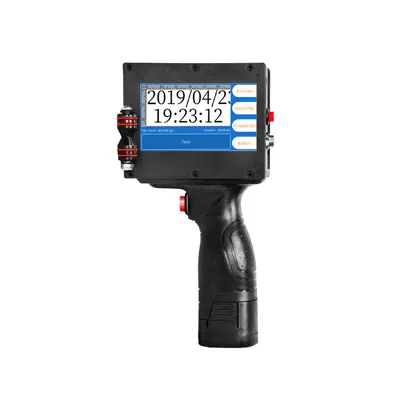
NasaJet® NJ-100
Handheld Printer
The affordable entry into the world of portable TIJ printing. Mark and label quickly and economically anywhere.
www.nasajet.com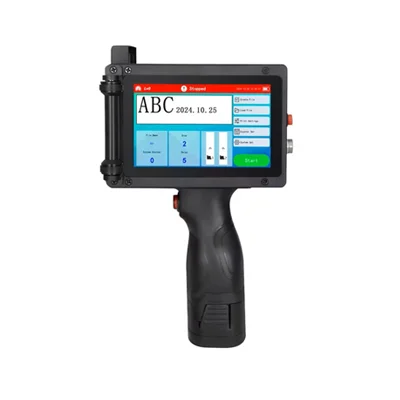
NasaJet® NJ-500
Handheld Printer
With two 1-inch TIJ cartridges, the NasaJet® NJ-500 achieves print heights over 50 mm. Large font printing in a portable format.
www.nasajet.com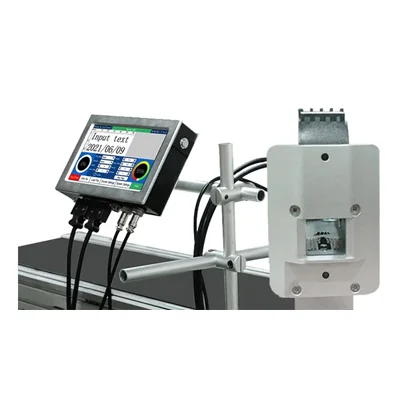
NasaJet® NJ-1000
Marking System
The NJ-1000 marking system is suitable for quickly upgrading existing production lines for simple labeling tasks.
www.nasajet.com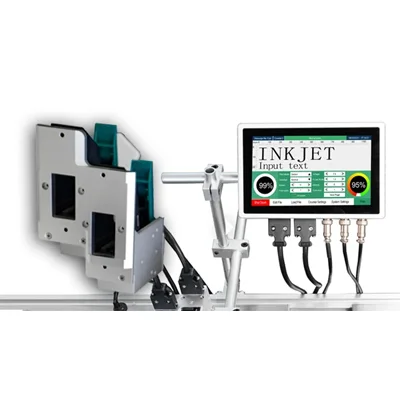
NasaJet® NJ-5000
Large Font Printer
The professional marking system for all requirements. Multiple print heads, parallel printing, and more.
www.nasajet.com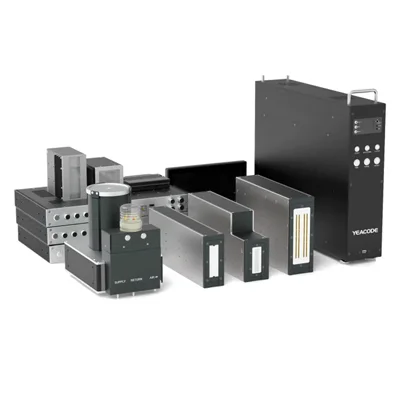
Yeacode Series 7
Marking System
Discover the Yeacode 7 Series, the marking system for the highest demands.
www.yeacode.de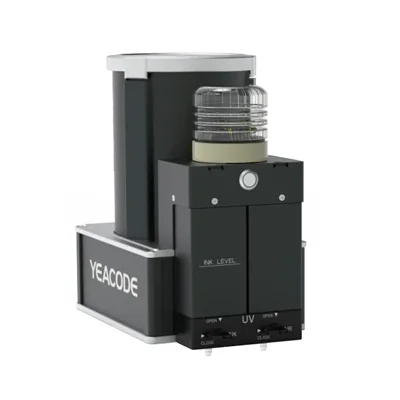
Yeacode CISS
Continuous Ink Supply System
Ensures consistent and uninterrupted ink supply for high-volume printing.
www.yeacode.de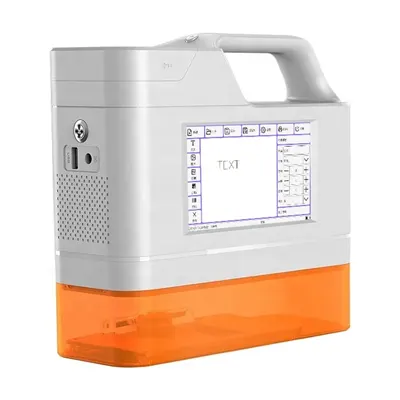
Laser Marking TL3pro
Laser Marking
Compact and portable laser marking device
DPM Marking in the Context of Industry 4.0
In the age of digital manufacturing, Direct Part Marking is becoming increasingly important. Connected production environments require unique identification methods that enable the automatic capture, exchange, and processing of data throughout the manufacturing process.
DPM codes serve as the digital identity of a product. They link physical components with digital datasets and support intelligent manufacturing processes, automated material flows, predictive quality management, and comprehensive analysis across the entire value chain.
Aerospace Direct Part Marking
Aerospace direct part marking (DPM) provides permanent, traceable identification of aircraft components, engine parts, and other critical aerospace products. Using technologies such as laser marking, inkjet printing, or dot peen marking, manufacturers can apply serial numbers, Data Matrix codes, QR codes, part numbers, and other identification data directly to the component.
Aerospace DPM must withstand demanding conditions, including high temperatures, chemicals, abrasion, and long-term exposure to harsh environments. Reliable direct part marking supports component traceability, quality assurance, maintenance, and regulatory compliance throughout the aerospace supply chain.
Expert Consulting: A Key Success Factor for DPM Marking
DPM marking has become an indispensable technology for modern manufacturing operations. By permanently marking components directly on the product surface, companies can ensure reliable identification, complete traceability, and efficient quality assurance throughout the entire product lifecycle.
At Geotechtronics, we combine many years of industry experience with a comprehensive product portfolio to deliver practical, cost-effective, and application-specific marking solutions tailored to your production requirements.
- Selection of suitable controllers and printheads
- Recommendation of appropriate inks and consumables
- Integration into conveyor systems and automation controls
- Operator and maintenance training
- Customized service and support concepts
- And much more
Customized Solutions and Seamless System Integration
Whether laser marking, dot peen marking, scribe marking, or industrial inkjet technology, modern DPM solutions provide the foundation for efficient manufacturing processes, regulatory compliance, and successful Industry 4.0 initiatives.
Companies benefit from improved process reliability, lower error rates, reduced operational costs, and complete traceability throughout the entire lifecycle of their products. With the right marking strategy and integration concept, DPM becomes a valuable tool for quality management, production optimization, and long-term competitiveness.