
Consulting, Solutions, Products
Product traceability is no longer an optional feature, but a decisive competitive advantage.
Complete Traceability
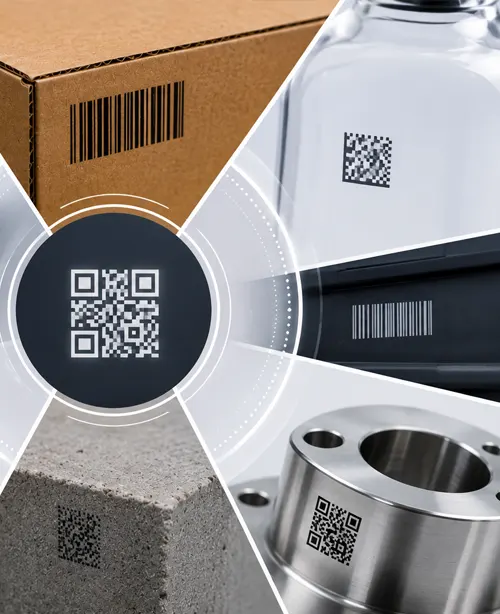
Product traceability has become a key element of modern production and supply chain processes. Companies are increasingly challenged to ensure full traceability of goods, comply with regulatory requirements, and optimize internal processes at the same time. One of the most cost-effective and flexible solutions is coding and marking systems based on TIJ marking machines (Thermal Inkjet) and handheld printers.
We explain in detail how product traceability works today, the advantages of TIJ technology, and why handheld printers are the ideal complement for flexible production environments.
What Does Product Traceability Mean?
Product traceability refers to the complete tracking of a product throughout the entire value chain – from raw material sourcing and production to delivery to the end customer. Key elements of product traceability include:
- Batch numbers
- Serial numbers
- Production dates
- Best-before dates
- Barcodes (1D/2D)
- QR codes / DataMatrix codes
This information is applied directly to products, packaging, or shipping cartons – often using modern coding and marking systems.
Why Is Product Traceability So Important?
1. Regulatory Requirements
In industries such as food, pharmaceuticals, cosmetics, and automotive manufacturing, traceability systems are legally required.
2. Quality Assurance
In the event of a complaint or product recall, affected batches can be quickly identified and withdrawn in a targeted manner.
3. Process Optimization
Transparent production data enables more precise analysis and continuous improvement of manufacturing processes.
4. Protection Against Counterfeiting
Serial numbers and unique codes make product counterfeiting significantly more difficult.
TIJ Marking Machines as a Key Technology
What Is TIJ (Thermal Inkjet)?
TIJ stands for Thermal Inkjet. This technology is based on precision ink cartridges that produce high-resolution prints without direct contact. TIJ marking machines are permanently integrated into production lines and are particularly suitable for:
- Corrugated boxes and cartons
- Labels
- Plastic packaging
- Metal surfaces (with specialty inks)
- Films and flexible packaging
- ...as well as wood, ceramics, and many other substrates
Advantages of TIJ for Product Traceability
1. High Print Resolution
TIJ systems deliver razor-sharp prints (up to 600 dpi). This is especially important for QR codes, DataMatrix codes, small fonts, and serialized numbering.
2. Low Maintenance and Clean Operation
As no external ink supply is required, complex cleaning procedures common with continuous inkjet systems are eliminated.
3. Flexible Integration
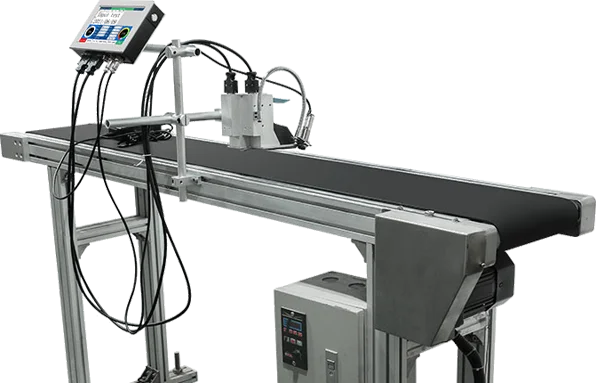
TIJ marking machines can be easily integrated into existing production lines and automated systems.
4. Real-Time Variable Data Printing
Through interfaces such as ERP or MES systems, variable data can be transferred directly from databases and printed in real time.
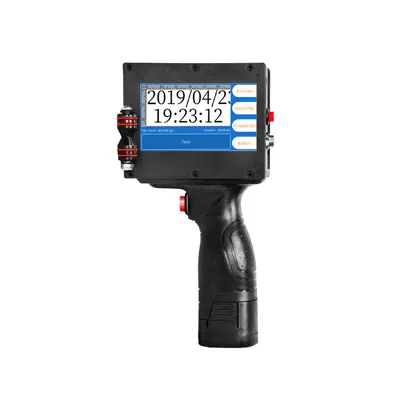
NasaJet® NJ-100
Handheld Printer
The affordable entry into portable TIJ printing. Mark and code quickly and economically anywhere.
NasaJet©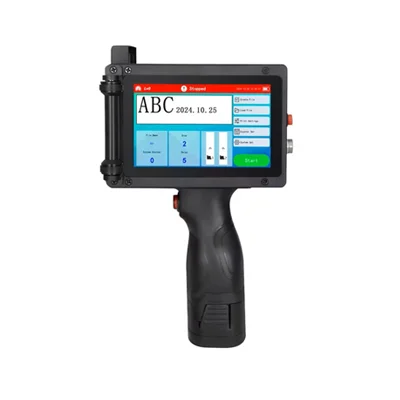
NasaJet® NJ-500
Handheld Printer
Equipped with two 1-inch TIJ cartridges, the NasaJet® NJ-500 achieves print heights of over 50 mm. Large-character printing in a portable format.
NasaJet©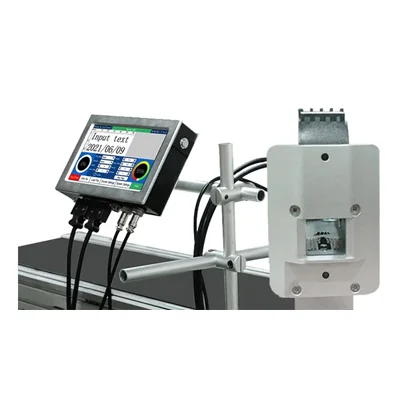
NasaJet® NJ-1000
Marking System
The NJ-1000 coding system is ideal for quick retrofitting of existing production lines for simple marking applications.
NasaJet©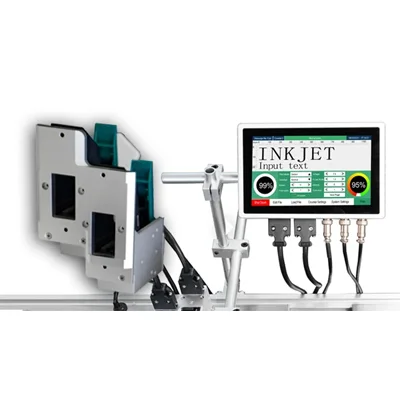
NasaJet® NJ-5000
Large Character Printer
The professional coding system for demanding industrial applications. Multiple printheads, parallel printing, and more.
NasaJet©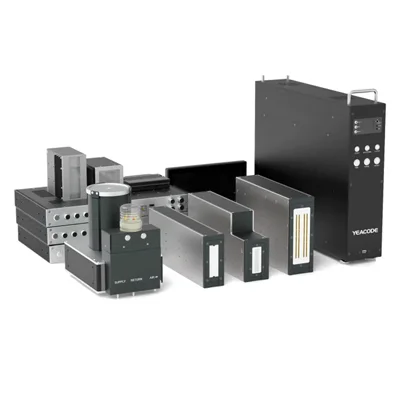
Yeacode Series 7
Marking System
Discover the Yeacode Series 7 – a high-performance marking system for the most demanding industrial requirements.
Yeacode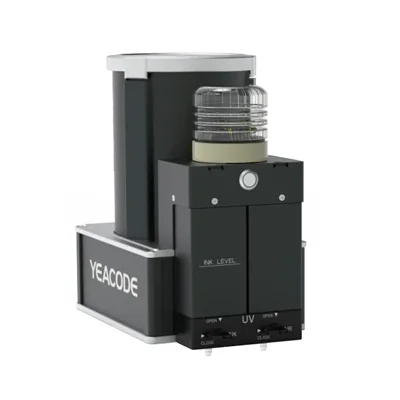
Yeacode CISS
Continuous Ink Supply System
Ensures consistent and uninterrupted ink supply for high-volume industrial printing applications.
YeacodeHandheld Printers for Mobile Marking
What Is TIJ (Thermal Inkjet)?
In addition to stationary TIJ marking machines, handheld TIJ printers offer significant advantages for flexible applications.
Typical applications in product traceability:
- Goods receiving
- Warehouse logistics
- Construction sites
- Small batch production
- Re-marking and rework processes
- Direct printing on shipping cartons
Advantages of Handheld Printers for Product Traceability
1. Mobility
Handheld printers are cordless and ideal for changing print positions and decentralized marking tasks.
2. Fast Implementation
No modification of the production line is required.
3. Individual Coding
Serial numbers, batch codes, date codes, and barcodes can be generated and printed directly on site.
4. Cost Efficiency
Particularly suitable for small and medium-sized enterprises (SMEs).
Product Traceability in Practice: Typical Workflow
- A production order is created in the ERP system
- A batch or serial number is generated
- The data is transferred to the TIJ marking machine
- The code is printed directly on the product or packaging
- The code is verified using a scanner
- The data is stored within the system
This closed-loop process ensures complete traceability.
The Future of Product Traceability: Industry 4.0 & Digitalization
With increasing digitalization, product traceability is becoming more automated. TIJ marking machines can be seamlessly integrated into:
- ERP systems
- MES systems
- Cloud solutions
- Database infrastructures
The combination of high-resolution coding and digital data storage enables full transparency across the entire supply chain.